
- Laser cataract surgery uses a femtosecond laser instead of a hand‑held blade.
- More precise incisions and lens fragmentation reduce human error.
- Less ultrasound energy is needed, lowering the risk of corneal damage and swelling.
- Can correct astigmatism by creating precise laser incisions.
- ORA real‑time measurements improve IOL power accuracy and reduce dependence on glasses.
- Faster, more comfortable recovery with no blades or stitches.

Do you have cataracts? The only effective way to treat them is to remove them during cataract surgery.
Cataracts make the natural lens of the eye grow cloudy. As cataracts develop, it will become more challenging to see and complete routine, everyday activities. The only way to get rid of cataracts is by having surgery to restore clear vision. According to the American Society of Cataract and Refractive Surgery, the success rate for the over 3 million cataract procedures done annually in the U.S. is an impressive 98 percent.
Replacing the formerly clear natural lens with an artificial intraocular lens (IOL) during surgery offers a practical and permanent solution for cataracts.
There are two options when it comes to cataract surgery—laser and traditional cataract surgery. Keep reading to learn more about cataract surgery and the advantages of having laser cataract surgery.
Traditional Cataract Surgery
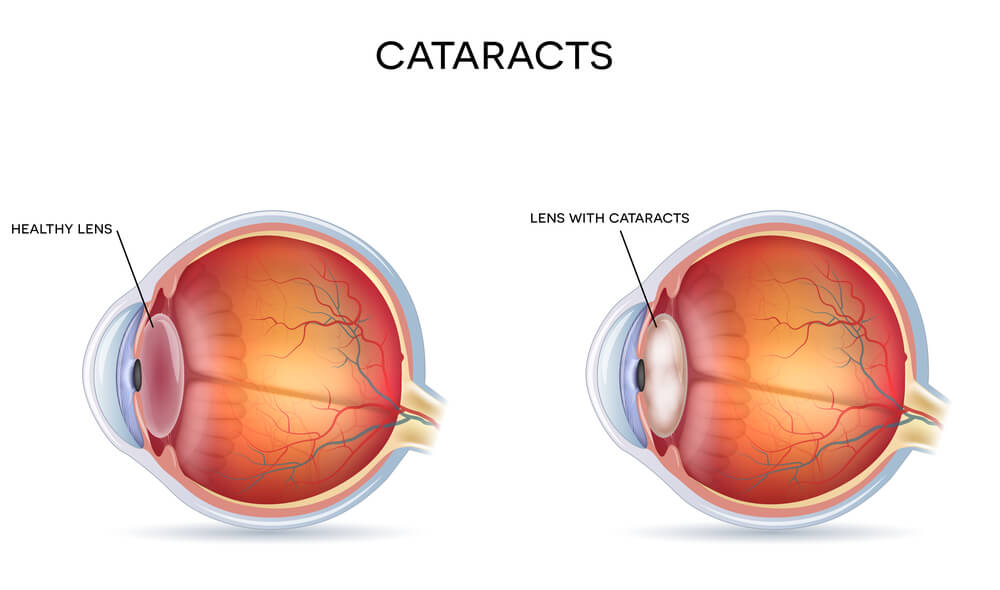
The traditional method of cataract surgery has been around for decades, making it the most commonly performed medical procedure you can undergo. During this procedure, your cataract surgeon uses a blade to enter the eye and another instrument to create a circular incision manually. The incision allows access to the cloudy lens. Then, with the help of ultrasound waves, the surgeon gently breaks the cataract down into tiny pieces and removes them before implanting an artificial clear one. The incision is so small that it usually doesn’t need stitches. Instead, the tissues in your eye heal on their own. Traditional cataract surgery is highly effective and helps patients with cataracts regain their ability to see clearly. Traditional cataract surgery is an outpatient procedure and only takes around 10-15 minutes to complete.
Laser Cataract Surgery
During laser cataract surgery, your cataract surgeon utilizes light technology instead of a hand-held blade. They reduce the natural lens into tiny fragments and make a circular opening using laser technology. They also break down the cataract into smaller pieces to make it easier to remove. Through the opening, your cataract surgeon can extract the small cataract pieces. After removing all remaining parts of the cataract, they will implant an intraocular lens which will take over the job of the natural lens and provide the ability to see clearly. Undergoing laser cataract surgery takes approximately 10 to 15 minutes. You may experience slight pressure, but you won’t feel any pain thanks to numbing eye drops. Choosing laser cataract surgery allows you to attain better vision.
There are myriad other reasons to consider having laser cataract surgery like:
Improved Vision Correction
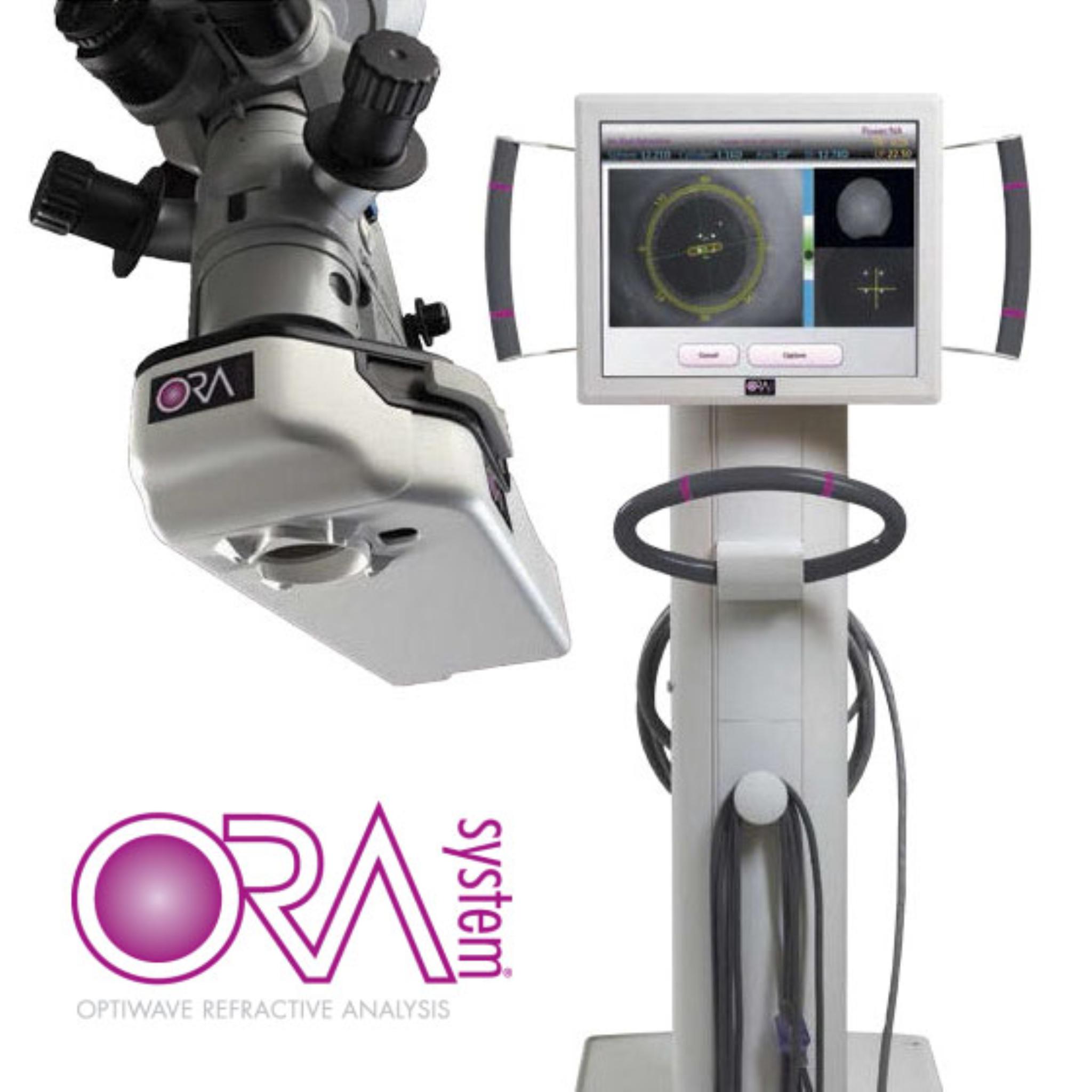
Laser cataract surgery offers fantastic visual outcomes. At Desert Vision Center, we offer our patients the best possible cataract surgery technology, including intraoperative aberrometry (ORA). ORA provides patients with a cataract surgery experience customized for your unique eyes. Using ORA ensures that all calculations are accurate because it takes all vision measurements in real-time.
Intraoperative aberrometry (ORA) helps achieve the best possible vision after cataract surgery.
ORA increases the possibility of patients achieving 20/20 vision. Patients who choose laser cataract surgery have a better chance of reaching the vision they want, thanks in due part to the state-of-the-art technology used during laser cataract surgery.
Fixes Two Issues Simultaneously
Besides the ability to remove cataracts and improve your vision, laser cataract surgery can also correct astigmatism, which occurs when your cornea is an irregular shape. Without treatment, astigmatism causes blurry vision. In only a matter of seconds, laser cataract surgery produces even incisions that smooth out astigmatism.
Less Invasive
Unlike the traditional method of cataract surgery, laser cataract surgery doesn’t require blades or stitches, making it a safer and less invasive cataract removal option.
More Accurate Lens Placement
The slightest changes can make all the difference during cataract surgery. Lasers are more reliable when targeting the natural, cloudy lens. Using a laser is more precise and minimizes the risk of human error. The technology allows the surgeon to analyze vital information about your lens, including the size, depth, location, and cataract size. Your cataract surgeon can decide which IOL will suit you best from the results. Additionally, the laser system utilizes advanced imaging technology that delivers a detailed 3D view of your eye. Having a detailed 3D image and view of your eye allows your surgeon to make accurate surgical incisions while placing your new IOL and leaving the surrounding tissues unharmed. The more precise the procedure is, the more likely you are to reduce your dependence on glasses and contact lenses after cataract surgery while reducing complications.
Smoother, Faster Recovery
Since laser cataract surgery doesn’t use blades and there are no stitches to remove, you’ll be more comfortable as you recover. You can look forward to an easier and faster recovery.
See how laser cataract surgery softens and removes the cataract with precision.
Differences Between Traditional and Laser Cataract Surgery
Here’s how laser cataract surgery compares to traditional cataract surgery:
Laser Cataract Surgery Uses Less Energy
Cataracts harden with time. Traditionally, a cataract surgeon removes a cataract with sound waves that break the cloudy lens into smaller pieces. Harder cataracts need more ultrasound energy. Unfortunately, too much energy can damage the endothelial cells in your cornea, causing swelling. If your cornea suffers excessive trauma, you may require a corneal transplant. A significant advantage of a laser-assisted cataract procedure is the laser pre-softens cataracts. As a result, because the cataract is already soft, it requires less energy to break up the cloudy lens. Less energy prevents your cornea from sustaining considerable damage. This reduces the possibility of corneal swelling and helps your eye heal faster.
Laser Cataract Surgery Specialists
Are you considering laser cataract surgery? At Desert Vision Center, Dr. Tokuhara is dedicated to helping you improve your vision by providing the most advanced treatment for cataracts.
Find out if you’re a good candidate for laser cataract surgery by scheduling a cataract consultation at Desert Vision Center in Rancho Mirage, CA.
Laser cataract surgery offers significant advantages over traditional manual surgery: greater precision, less ultrasound energy, lower risk of corneal swelling, faster visual recovery, and the ability to correct astigmatism at the same time. With advanced tools like the ORA System, your surgeon can customise every step to your unique eye anatomy, helping you achieve the best possible vision with less dependence on glasses.
Ready to see clearly with laser cataract surgery?
Find out if you’re a good candidate for laser cataract surgery by scheduling a cataract consultation at Desert Vision Center in Rancho Mirage, CA.