
- Diabetes causes high blood sugar, which can damage blood vessels and nerves throughout the body, including the eyes.
- People with diabetes are more likely to develop cataracts at an earlier age, and cataracts progress faster.
- High blood glucose can cause lens swelling and clouding through conversion of excess sugar into sorbitol.
- Diabetic eye care includes regular exams, blood sugar control, and early treatment of diabetic retinopathy or macular edema.
- Before cataract surgery, diabetics need stable blood sugar and a preoperative exam to check for diabetic retinopathy.
- After surgery, close monitoring is required to prevent worsening of diabetic eye disease.

Do you have diabetes? Diabetes may cause structural changes in your eyes, potentially speeding up the development of cataracts. Understanding the link between diabetes and cataracts can help you navigate these conditions for optimal eye health.
Keep reading to learn more about diabetes, cataracts, and whether diabetic eye care is different if you have cataracts.
What is Diabetes?
Diabetes is a chronic condition characterized by very high blood sugar, also called blood glucose. Whenever you eat food, your body breaks down most of it into glucose and releases it into your bloodstream. Glucose is the body’s primary source of fuel or energy. When blood sugar rises, the pancreas releases insulin. Insulin is the hormone that controls your blood sugar levels. It allows blood glucose to enter into your body’s cells to be used for energy. If you have diabetes, your pancreas doesn’t produce any or enough insulin, or your body doesn’t utilize the insulin produced properly. Too much glucose then remains in your bloodstream and doesn’t get into your cells, leading to high blood sugar. Over time, high blood sugar levels damage many systems in your body, including blood vessels and nerves.
What is a Cataract?
A cataract occurs when proteins in your eyes break down and clump together on the natural lens, becoming cloudy and impacting your ability to see clearly. Cataracts typically develop later in life and form gradually over many years.
But when you have diabetes, high blood glucose levels over time can cause structural changes in your lens that can accelerate the formation of cataracts.
Symptoms of Cataracts
When you have diabetes, the first sign that you might have a cataract is blurred or cloudy vision. Other signs of cataracts can include:
- Halos and glare
- Sensitivity to light
- Trouble seeing at night
- Double vision in one eye
- Colors appearing dull or faded
- Frequent prescription changes
- Need for brighter light for close-up activities
Understanding the Connection Between Diabetes and Cataracts
Although anyone can develop cataracts, especially as they age, people with diabetes are more susceptible to cataracts. Cataracts form at an early age and progress more rapidly in those with diabetes than in people without it due to high blood sugar levels. High blood glucose in unchecked diabetes can cause changes in your eyes, such as lens swelling and clouding of the eye’s lens.
Swelling of the Lens
The aqueous humor, the clear fluid in your eye, supplies your lens with nutrients, oxygen, and glucose. When you have poorly controlled diabetes, your blood glucose stays too high for too long. As a result, glucose levels can rise in the aqueous humor and lens. This may cause your lens to swell, leading to blurry vision.
Clouded Lens
When blood sugar levels are high, excess glucose might enter your lens. An enzyme in the lens may convert the surplus sugar into sorbitol, a sugar alcohol that can collect in your lens and damage naturally occurring proteins. Due to damage, these proteins may clump together, making your lens cloudy.
Damages lens proteins and accelerates cataract formation.
Diabetics often need cataract surgery earlier than non‑diabetics.
Poorly controlled diabetes increases infection and bleeding risks.
Checking for diabetic retinopathy is essential before surgery.
Diabetic Eye Care When You Have Cataracts
Diabetic eye care aims to decrease the risk of diabetes-related complications, which helps preserve vision and eye health. Good diabetic eye care is a combined effort between you and your eye doctor. However, eye care and diabetic eye care will look different when you have cataracts. After thoroughly evaluating your eye health, your ophthalmologist may recommend the following:
Maintain a Healthy Lifestyle
Adopting a healthy lifestyle, including regular exercise, quitting smoking if you’re a smoker, limiting alcohol consumption, and eating a diet rich in antioxidants can minimize the risk of cataracts.
Get Your Blood Sugar Under Control
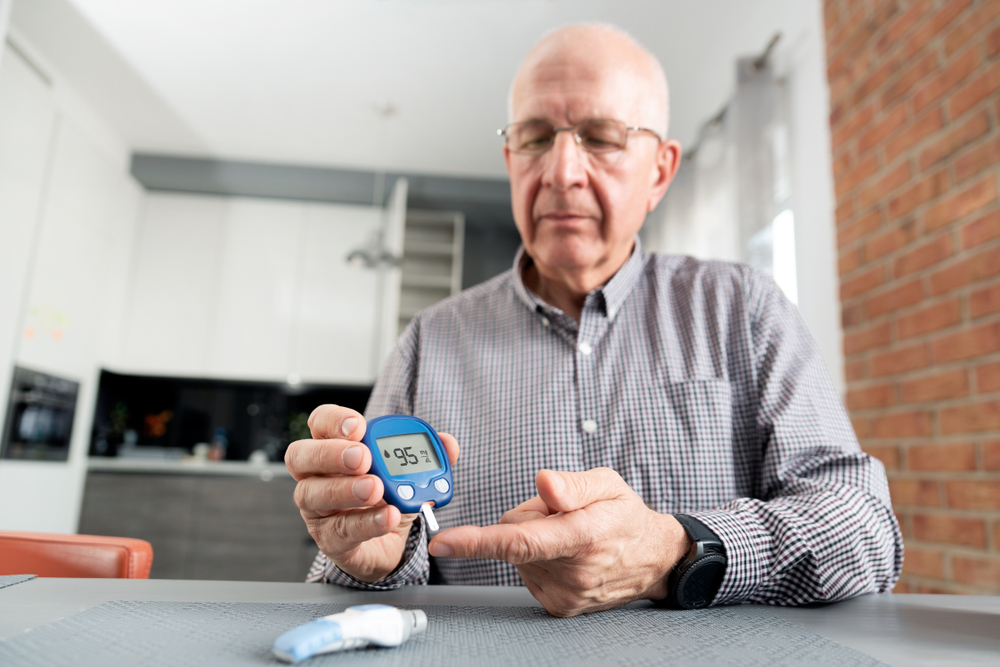
Good diabetes management is essential to slowing the progression of cataracts. This involves managing your blood sugar. Work with your team of doctors to maintain good control over your blood glucose and avoid fluctuations. Proper sugar levels may delay the onset of cataracts or help slow cataract progression.
Go for Regular Eye Check-Ups
Your ophthalmologist can detect cataracts early during a routine eye exam. They can also provide timely treatment for problematic eye changes even before you experience any symptoms. Your ophthalmologist may ask you to schedule eye exams more often, depending on the results of your initial eye exams and how well your blood glucose is controlled.
Seek Prompt Medical Care
If you begin to experience symptoms of cataracts, see your eye doctor immediately.
Receive Timely Treatment
Treating cataracts early on can ensure you get your sight back and preserve your eye health. Equally important, it can minimize the risk of developing further complications of diabetes like diabetic retinopathy and glaucoma.
How to Manage Cataracts
When symptoms of cataracts first appear, you may find vision improvement by trying these tips:
- Use brighter light bulbs around your home to aid with up-close work like cooking and reading
- See your eye doctor for a new prescription. Stronger glasses or contact lenses can help you see better.
- Place lamps directly behind you, pointed at the task you’re performing, such as reading to minimize glare
- Wear anti-glare sunglasses when going outside to help with glare
Cataract Surgery
These measures are only temporary, meaning they will eventually no longer improve your vision. When that happens, and cataracts start to interfere with everyday activities like reading, watching TV, and driving, your eye doctor can recommend cataract surgery. Cataract surgery is the only way to treat cataracts and ensure you can see clearly once more. If you have diabetes, your vision may deteriorate faster.
You’ll likely need cataract surgery sooner than cataract patients without diabetes. Cataract surgery involves replacing the clouded natural lens with an artificial lens called an intraocular lens (IOL). The IOL ensures you can see clearly after cataract surgery.
Cataract Surgery Considerations for Patients with Diabetes
For most patients without diabetes, serious cataract surgery complications are rare. They end up with better vision than ever and recover without long-term issues. However, because of diabetes, you may be more prone to complications during and after cataract surgery. Controlled blood sugar minimizes the risk of complications and enhances visual outcomes. You’ll take special precautions with your team of physicians and your eye doctor to increase the chances of a successful cataract procedure. These may include:
- Maintaining stable blood sugar levels before, during, and after cataract surgery. High blood glucose may affect how quickly you recover after the procedure and increase the risk of bleeding and infections.
- Undergoing a preoperative diabetic eye exam. Your ophthalmologist will want to check whether you have pre-existing conditions that might cause complications. These can include macular edema and diabetic retinopathy, which may need close monitoring or additional treatment alongside cataract surgery.
- Prescribing topical non-steroidal anti-inflammatory drops to reduce post-surgery inflammation.
- Close observation after cataract surgery to monitor for risks of progressive diabetic retinopathy and macular edema.
Having diabetes means you need to be more proactive about your eye health. Cataracts develop earlier and progress faster, but with excellent blood sugar control, regular dilated eye exams, and proper surgical planning, you can achieve outstanding visual outcomes. At Desert Vision Center, we work closely with your diabetes care team to ensure your eyes are healthy before, during, and after cataract surgery.
Don’t Let Diabetes and Cataracts Steal Your Sight
Diabetic eye care starts with frequent eye exams at Desert Vision Center. Routine eye exams can help safeguard your eyes from sight-threatening diseases. Dr. Tokuhara can also diagnose and manage eye problems like cataracts early during eye exams.
Are you diabetic? Make diabetic eye care a priority by scheduling your appointment today at Desert Vision Center in Rancho Mirage, CA. It’s time to protect your eyes and ensure clear vision for years to come.
Considering cataract surgery with diabetes?
Diabetes can affect cataract planning and healing, so your evaluation should be careful and personalized. Schedule a cataract consultation with Dr. Keith Tokuhara to review your eye health and discuss the safest path toward clearer vision.